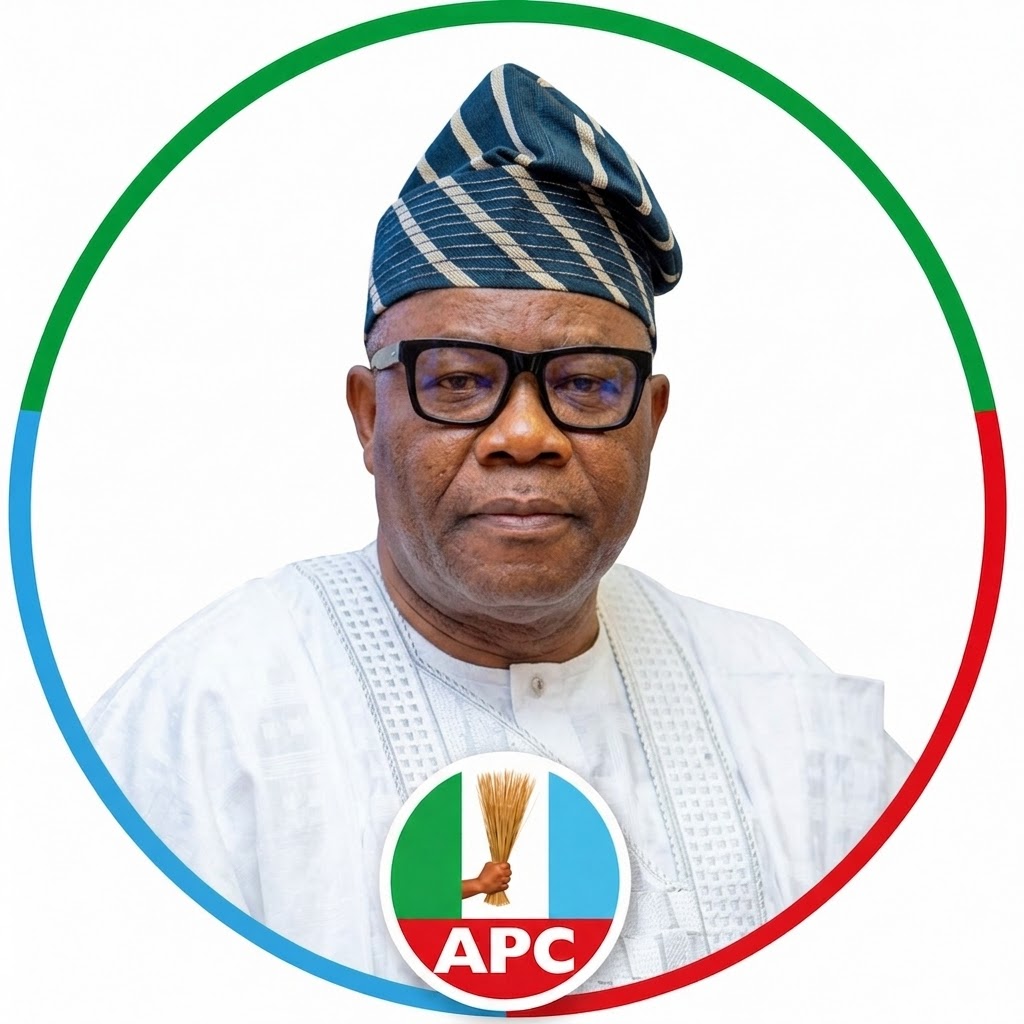
Godswill Akpabio (Sen.)
Akwa ibom | Senator
Akwa ibom | Senator
Senator Godswill Obot Akpabio is a Nigerian lawyer, politician, and statesman who serves as the President of the Senate of the Federal Republic of Nigeria and Chairman of the 10th National Assembly. Widely recognized for his leadership in both the executive and legislative arms of government, he has served as Governor of Akwa Ibom State, Senator, Minister of Niger Delta Affairs, and now presides over Nigeria's Senate.
Born on December 9, 1962, in Ukana Ikot Ntuen, Essien Udim Local Government Area of Akwa Ibom State, Akpabio lost his father at an early age and was raised by his mother, Madam Lucy Obot Akpabio, whose emphasis on discipline and education shaped his character. He attended Methodist Primary School, Ukana, Federal Government College, Port Harcourt, and later earned a Bachelor of Laws (LL.B.) degree from the University of Calabar. While at the university, he served as Speaker of the Students' Union Government Parliament, demonstrating leadership qualities that would later define his public career. After graduating, he attended the Nigerian Law School and was called to the Nigerian Bar in 1988.
Before entering politics, Akpabio built a successful career in legal practice and the telecommunications industry. He worked with the law firm Paul Usoro & Co. before joining EMIS Telecoms Limited, where he rose to become Managing Director and Chief Executive Officer. He also served as National Publicity Secretary of the Association of Telecommunication Companies in Nigeria (ATCON), contributing to the development of Nigeria's emerging telecommunications sector.
Akpabio entered public service in 2002 when he was appointed Commissioner for Petroleum and Natural Resources in Akwa Ibom State by Governor Victor Attah. He subsequently served as Commissioner for Local Government and Chieftaincy Affairs and Commissioner for Lands and Housing, gaining extensive administrative and governance experience before contesting the governorship election.
In 2007, he was elected Governor of Akwa Ibom State and was re-elected in 2011, serving until 2015. His administration was marked by major investments in infrastructure, education, healthcare, aviation, power, and urban renewal. Among the notable initiatives associated with his tenure were the expansion of free and compulsory education, construction of roads and bridges, development of healthcare facilities, completion of the Ibom International Airport, and promotion of industrial and economic development. His achievements earned him the popular nickname "The Uncommon Transformer."
Following the completion of his tenure as governor, Akpabio was elected in 2015 to represent Akwa Ibom North-West Senatorial District in the Nigerian Senate, where he served as Senate Minority Leader. In 2018, he joined the All Progressives Congress (APC), marking a significant shift in his political career.
In 2019, President Muhammadu Buhari appointed him Minister of Niger Delta Affairs, a position he held until 2022. During his tenure, he supervised policies and programmes aimed at advancing infrastructure, regional development, and economic growth in Nigeria's Niger Delta region. He resigned from the cabinet in 2022 to pursue higher political ambitions.
Akpabio returned to the Senate after winning election in 2023 to represent Akwa Ibom North-West Senatorial District. On June 13, 2023, he was elected President of the Senate, becoming the 15th Senate President of Nigeria and the presiding officer of the 10th National Assembly. In this role, he oversees legislative proceedings, promotes collaboration between the legislature and other arms of government, and leads deliberations on national policy and governance.
Throughout his public life, Senator Godswill Akpabio has remained a prominent figure in Nigerian politics. His career spans law, business, state governance, ministerial service, and national legislative leadership. He is recognized for his contributions to infrastructure development, public administration, and legislative governance, and continues to play a significant role in shaping Nigeria's democratic and political landscape.
Hello 👋
How can we help you today with your APC campaign registration or queries?